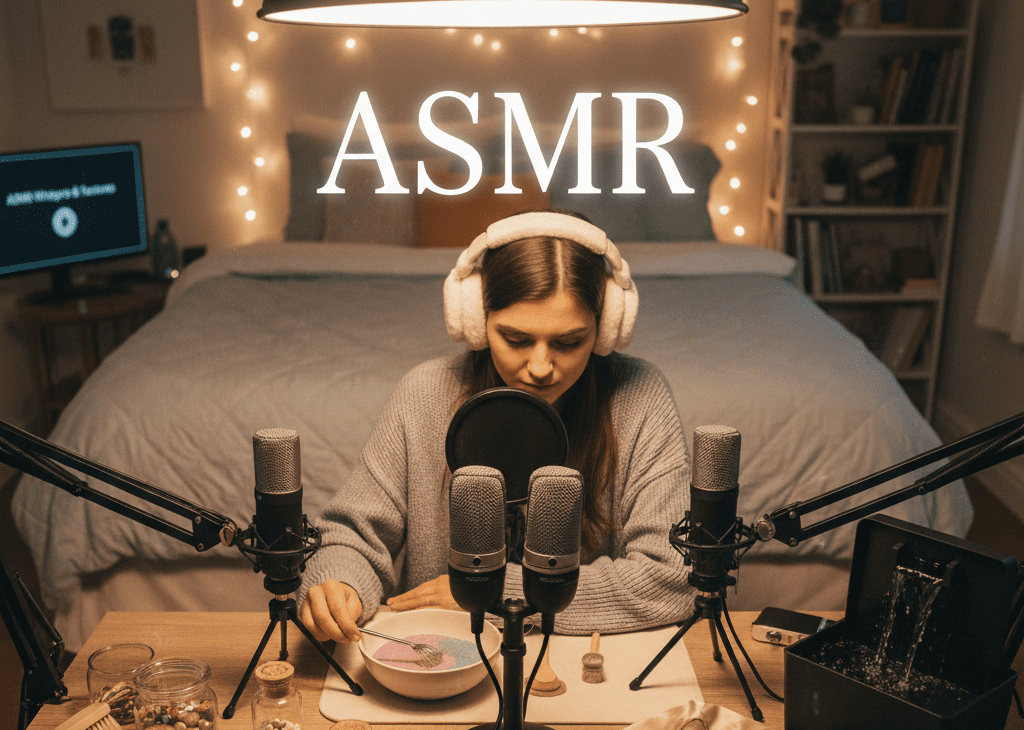
In a world filled with noise, chaos, and endless scrolling, one surprising trend is taking over our social feeds – ASMR.
From the sound of crunching chips to the gentle tapping of nails on glass, ASMR (Autonomous Sensory Meridian Response) has evolved from a niche internet fascination into a mainstream social media content strategy.
But why are millions of people so hooked on soft sounds and slow, calming videos? And how are brands using this trend to connect with audiences in a whole new way?
Let’s explore.
What Exactly Is ASMR?
ASMR refers to the tingling, soothing feeling people experience when they hear or watch certain types of calming sounds or visuals. It’s like a sensory relaxation experience — something between meditation and entertainment.
Common ASMR triggers include:
- Whispering or soft talking
- Tapping or scratching surfaces
- Crinkling paper or packaging
- Pouring liquids slowly
- Keyboard typing or pen clicking
Originally, ASMR videos gained fame on YouTube, but today, they dominate TikTok, Instagram Reels, and YouTube Shorts – the platforms where short-form sensory content thrives.
Why ASMR Is Trending on Social Media
1. Stress Relief in a Fast World
In a time when everyone’s looking for quick calm, ASMR offers an easy escape. A few seconds of gentle sound can help users relax, focus, or even sleep better.
2. Highly Engaging and Loop-Friendly
Soft sounds make people stop scrolling. They’re oddly satisfying, perfect for looping videos that keep viewers hooked longer, which helps creators and brands boost engagement rates.
3. Visual & Audio Satisfaction
Audiences love clean visuals – cutting soap, mixing paints, pouring coffee – paired with crisp audio. It’s relaxing yet addictive.
ASMR as a Marketing Tool
Brands are now realizing that ASMR isn’t just a trend – it’s an emotion.
When used right, it creates a deep sensory connection with audiences.
Real Examples:
- IKEA once released an ASMR-inspired ad called “Oddly IKEA” featuring bedsheets being softly folded and pillows fluffed. It was soothing and went viral.
- Starbucks uses coffee-pouring sounds, frothing milk, and the clink of cups in its videos to create a cozy, calming vibe.
- Cosmetic Brands often feature soft brushing sounds or product swatches with tapping to make their reels more immersive.
Even smaller businesses – from candle brands to skincare pages – now use ASMR clips to stand out in crowded feeds.
Why ASMR Works for Brands
- Sensory Branding – It helps people feel your brand, not just see it.
- Longer Watch Time – Viewers are drawn to soothing, satisfying loops.
- Emotional Connection – Soft sounds evoke calmness, trust, and positivity.
- Viral Potential – ASMR-style videos often perform better in algorithms because of high replay value.
Imagine a perfume brand capturing the soft click of a cap opening, a slow mist spray, and background rain sounds, it doesn’t even need words to communicate luxury and calm.
The Future of ASMR Content
ASMR is quickly moving from entertainment to mainstream marketing. We’re already seeing:
- Brands building ASMR series as part of their content strategy.
- AI-generated ASMR sounds for personalized sensory videos.
- Collaborations between influencers and ASMR creators for branded storytelling.
It’s not just a passing trend. It’s a new form of content experience, one that engages both emotion and attention.
Final Thoughts
The rise of ASMR on social media shows a powerful truth: in a world of constant noise, softness sells.
Whether it’s the fizz of a drink, the sound of paper tearing, or the whisper of wind, these subtle details create emotional comfort and make audiences feel something real.At Rayfix Media, we believe that the future of content isn’t just about what people see, it’s about what they feel.
And ASMR gives brands the perfect way to turn simple sounds into lasting connections.