Scroll through your feed today, and you’ll notice something. It’s not always the most polished videos, fancy aesthetics, or influencer-perfect moments that go viral anymore.
It’s the relatable ones.
That one creator talking about Monday blues in their pajamas.
A meme about overthinking texts.
A brand post that says, “We’ve all been there.”
Welcome to the Relatability Era, where authenticity beats perfection and connection beats curation.
What Is the “Relatability Era”?
The “Relatability Era” refers to a major shift in how people consume and engage with content online.
Audiences no longer crave picture-perfect. They want personally real.
This new phase of social media is built around authenticity, vulnerability, and shared experiences, the kind of content that makes you say,
“Wow, that’s so me.”
Why Relatable Content Works So Well
1. People Trust People, Not Brands
Perfectly curated content feels distant. Relatable content feels human.
When creators and brands share real stories, struggles, bloopers, or behind-the-scenes moments, people relate more deeply.
It builds trust, not just followers.
Example:
Instead of saying, “Our coffee keeps you productive,” a brand might post,
“Our coffee keeps you awake during 9 a.m. Zooms that should’ve been emails.”
That simple shift turns a marketing message into a shared laugh.
2. Authenticity Is the New Aesthetic
The new aesthetic isn’t minimal filters or trendy edits; it’s authentic energy.
Audiences today can spot forced content instantly. They’re drawn to things that feel natural, unfiltered moments, honest opinions, everyday realities.
Creators like Emma Chamberlain and Drew Afualo built empires by simply being themselves, imperfect, funny, and real.
3. It Feeds the Human Need for Connection
In a digital world, people crave emotional closeness. Relatable content creates that bond.
Whether it’s a meme about mental health, a confession about burnout, or a reel about small joys, these posts say, “You’re not alone.”
That sense of belonging keeps people engaged longer than any sales pitch ever could.
4. It’s the Fastest Way to Go Viral
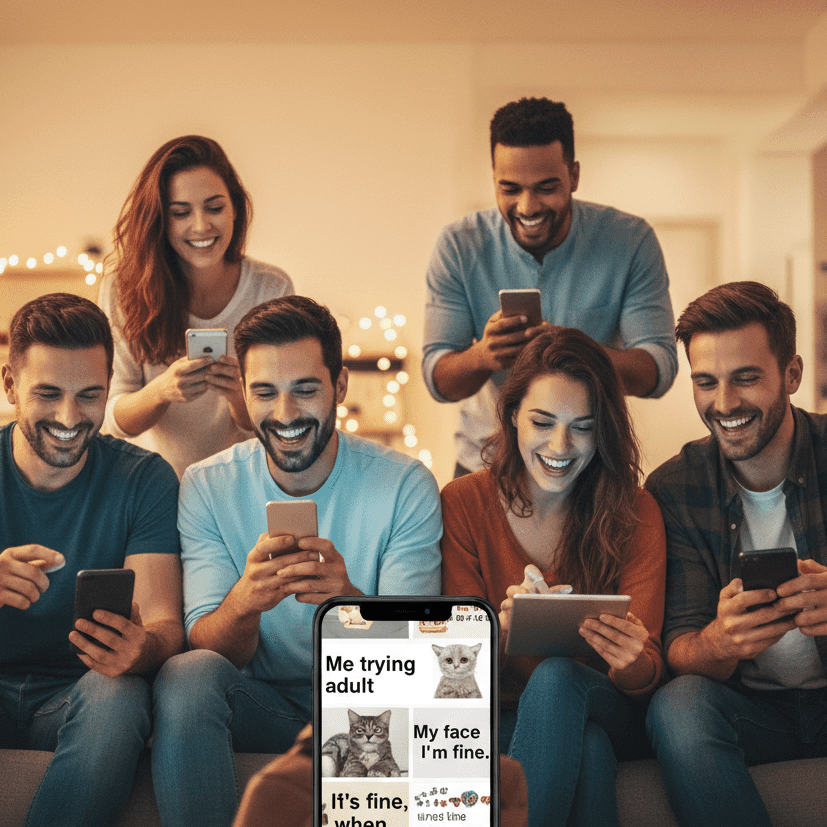
The most shared content online often starts with a single relatable truth.
Think of trends like:
- “POV: You’re trying to look busy while your boss walks by.”
- “When you say ‘five more minutes’ for the 10th time.”
Simple, everyday moments turned into viral hits.
Because relatability fuels shares, saves, and comments faster than almost any other emotion.
How Brands Are Adapting to the Relatability Era
1. Brands Showing Their Human Side
Even corporate brands are dropping the formal tone.
Look at Duolingo or Ryanair on TikTok, sarcastic, funny, self-aware. They’ve mastered speaking the internet’s language.
2. Using Memes and Everyday Humor
Meme-style marketing makes brands more conversational.
Example: Netflix often uses meme templates to promote shows, turning marketing into entertainment.
3. Sharing Real Behind-the-Scenes Moments
Audiences love transparency.
A “this is how we made it” video or a “things didn’t go as planned” post can feel 10x more powerful than a perfect ad.
How You Can Create Relatable Content
- Start with Everyday Emotions:
Think about common struggles, Mondays, deadlines, online shopping fails, relatable joys. - Speak Like a Human, Not a Brand:
Drop the corporate tone. Use real, conversational language. - Show, Don’t Sell:
Share stories, not slogans. Tell your brand story in a way that mirrors your audience’s life. - Embrace Imperfection:
Don’t over-edit. Sometimes the slightly messy video gets 10x more engagement because it feels real. - Listen to Your Audience:
Pay attention to comments, DMs, and memes your community shares. That’s where your next relatable post idea lives.
The Psychology Behind Relatability
Relatability triggers the mirror neuron effect, meaning our brains respond emotionally to things that feel familiar.
When people see themselves in your content, they automatically form a connection. That’s why relatable content doesn’t just attract engagement; it builds loyalty.
The Future: Real Over Perfect
As algorithms evolve, one thing stays constant: authentic connection wins.
We’re living in a time where social media feels less like a highlight reel and more like a shared human experience.
Brands and creators that lean into that truth instead of fighting it will always stay ahead.Because at the end of the day, people don’t remember perfect posts.
They remember the ones that made them feel seen.