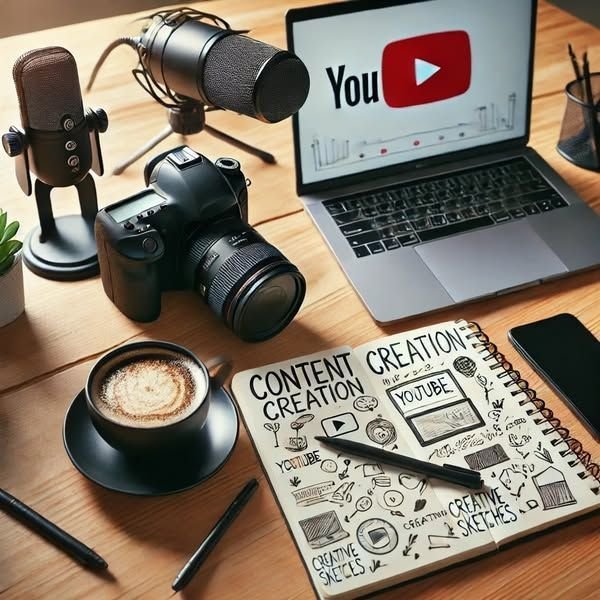
Discover how YouTube podcasters are making money through ads, sponsorships, and personal branding. Learn why video podcasting is a powerful content strategy.
Podcasting Has Evolved and YouTube is Leading the Way
A few years ago, podcasts lived almost entirely on audio platforms like Spotify, Apple Podcasts, and Google Podcasts. People listened while commuting or multitasking, and that was the whole experience.
But today, podcasting looks very different. Video podcasts on YouTube are exploding in popularity, and creators are turning their shows into full-fledged businesses. While Spotify still plays a huge role in audio listening, YouTube is where creators are building visibility, communities, and serious income.
At Rayfix Media, we’ve seen how powerful podcasting can be when combined with the right brand strategy, organic content, and personal branding approach.
Here’s why YouTube podcasters are earning big today.
1. Multiple Streams of Income
YouTube gives podcasters several ways to monetize that go beyond what Spotify offers:
- AdSense Revenue: Earn money from ads on every view.
- Brand Sponsorships: Companies pay top dollar to appear in video podcasts with loyal audiences.
- Memberships & Super Chats: Fans directly support creators in real time.
- Affiliate Marketing & Merch: Loyal audiences are more likely to buy.
Spotify does offer ad revenue and sponsorship opportunities, but its monetization options are more limited compared to YouTube’s ecosystem.
2. Easier Discoverability
One of the biggest struggles in podcasting has always been discoverability. Spotify and other audio platforms rely heavily on charts or curated playlists, which makes it hard for smaller podcasters to break through.
YouTube changes the game. Since it’s the world’s second-largest search engine, podcasts uploaded here are searchable, clickable, and shareable. Plus, creators can cut episodes into highlight clips and Shorts to pull in millions of new viewers.
At Rayfix Media, we encourage podcasters to repurpose long episodes into snackable content for TikTok, Reels, and Shorts to boost visibility.
3. Stronger Personal Branding Through Video
Spotify gives you reach, but it’s an audio-first platform. Audiences only hear you—they don’t see you.
On YouTube, video podcasting creates a deeper connection. Viewers see expressions, reactions, and genuine conversations. This makes it easier to build personal branding and stand out as a personality—not just a voice.
For podcasters looking to land bigger sponsorships or collaborations, video helps them become more relatable and trustworthy.
4. Community Engagement = More Earnings
Spotify allows people to follow and stream episodes—but it doesn’t offer much interaction.
YouTube, on the other hand, thrives on engagement. Fans can comment, like, share, and interact with podcasters directly. This sense of community makes it easier to sell memberships, courses, or merchandise.
The stronger the community, the more valuable the podcast becomes for both sponsors and the audience.
5. Video is the Future of Podcasts
Audio podcasts aren’t disappearing anytime soon—Spotify continues to be a top choice for listeners who prefer audio-only. But audiences now want flexibility. They expect podcasts to be available in both audio and video formats.
That’s why many creators are publishing their shows on Spotify for audio listeners and on YouTube for video viewers. It’s the perfect combination: Spotify for convenience, YouTube for growth and monetization.
Quick FAQs
Q: Can small podcasters really make money on YouTube?
Answer- Yes. Even smaller creators can earn through ads, memberships, or niche sponsorships once they build a consistent audience.
Q: Is YouTube better than Spotify for podcasts?
Answer- They serve different purposes. Spotify is great for audio-first listeners, but YouTube offers stronger monetization, discoverability, and community-building opportunities. Many successful podcasters use both.
Q: How do you grow a podcast channel faster?
Answer- Repurpose long episodes into highlight clips and Shorts, share across social platforms, and invest in a content strategy instead of posting randomly.
Final Thoughts
Podcasting is no longer just about audio—it’s about reach, visibility, and community. Spotify remains a strong platform for loyal audio listeners, but YouTube is where podcasters are truly scaling and monetizing their shows.
With multiple income streams, stronger discoverability, and unmatched personal branding opportunities, YouTube is helping podcasters earn big while reaching wider audiences.
At Rayfix Media, we help podcasters and creators grow through organic content creation, personal branding, and social media marketing strategies.
Ready to take your podcast beyond Spotify and grow on YouTube?
Let’s build a strategy that helps your show stand out everywhere.